

Talent Shortages in Tech: Strategies for 2026

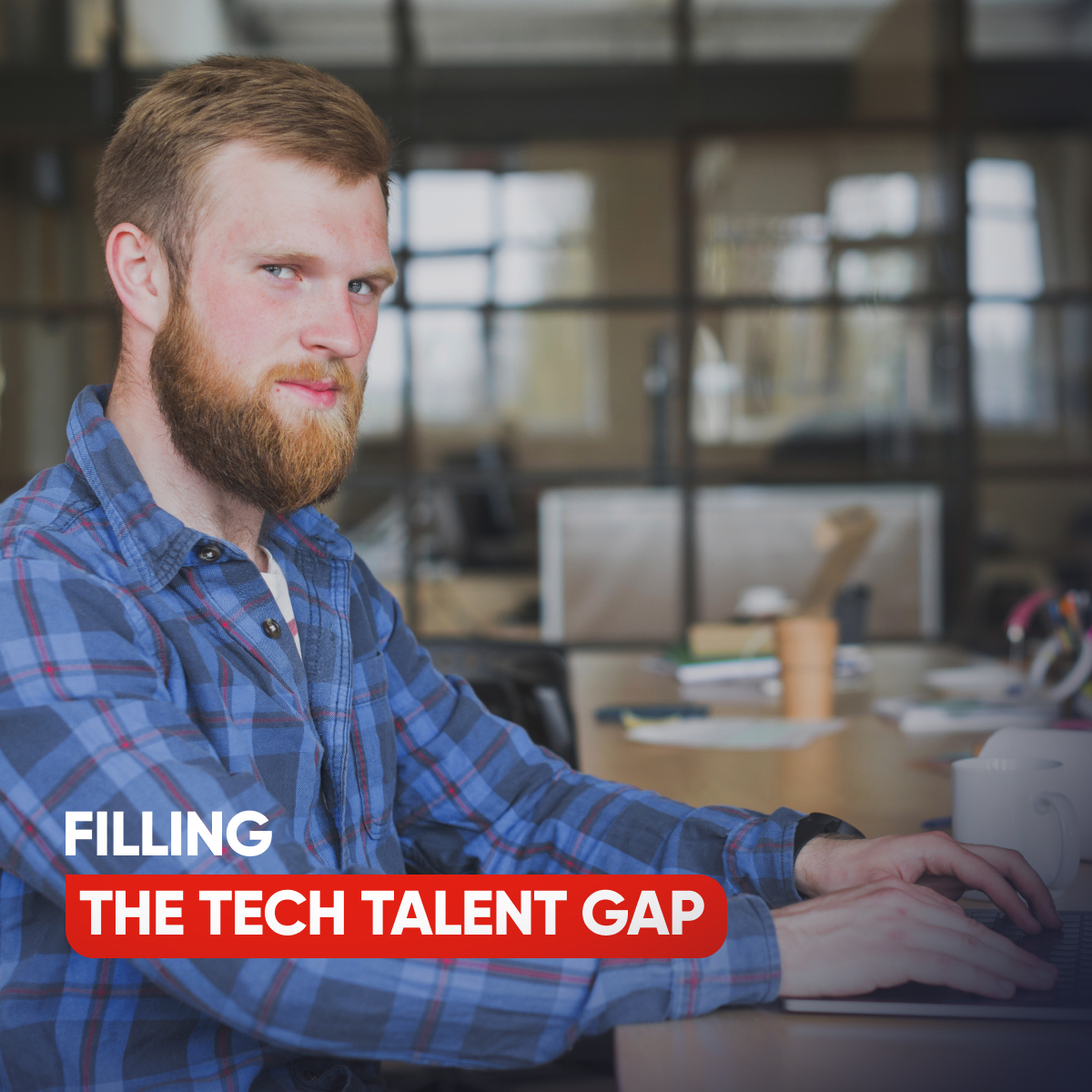
The Growing Tech Talent Gap
As we approach 2026, the demand for tech talent continues to outpace supply. From software development to AI and cybersecurity, companies around the world are grappling with an escalating shortage of skilled tech professionals. With digital transformation sweeping across industries, this shortage poses significant challenges for organizations striving to stay competitive and innovative. Companies can no longer rely solely on traditional recruitment methods; instead, they must adopt forward-thinking strategies to attract, develop, and retain top tech talent.
In this article, we’ll explore key strategies to address tech talent shortages in 2025. From investing in upskilling to fostering a culture of continuous learning, these approaches can empower organizations to bridge the talent gap and build a workforce ready to tackle tomorrow’s challenges.
- Upskilling and Reskilling: Investing in Internal Talent
One of the most effective ways to address talent shortages is to invest in the existing workforce through upskilling and reskilling initiatives. By helping current employees acquire new skills, companies can create a pipeline of tech talent from within, reducing the need to compete for external hires.
- Developing Targeted Training Programs: Companies should start by identifying critical skills gaps and offering targeted training programs. For example, if the organization needs expertise in cloud computing, data science, or cybersecurity, creating specialized programs ensures that employees receive relevant, job-focused training. Offering certifications, online courses, and hands-on workshops provides employees with the tools they need to transition into tech roles smoothly.
- Building a Culture of Continuous Learning: Upskilling initiatives should go hand-in-hand with a culture of continuous learning. Encourage employees to stay curious and explore new areas of technology, even beyond their current roles. By fostering an environment that values knowledge and skill development, companies can build a workforce that is agile, adaptable, and equipped to meet changing business demands.
-
Expanding Global Recruitment Efforts
As remote work becomes standard practice, companies are increasingly expanding their recruitment efforts beyond local markets. Hiring globally allows organizations to access a wider range of skills, accelerate hiring timelines, and scale teams in regions with strong talent availability. An Employer of Record (EOR) enables companies to do this quickly and compliantly, without the need to establish local entities.
- Accessing Global Talent with EOR Support: Global hiring platforms such as LinkedIn and specialized talent networks make it easier to identify qualified candidates worldwide. When paired with an EOR, companies can move from candidate selection to compliant employment seamlessly. The EOR legally employs the worker on the company’s behalf, managing contracts, payroll, taxes, and statutory benefits in accordance with local labor laws. This approach allows organizations to tap into niche expertise globally while maintaining consistency and compliance.
- Managing Legal and Compliance Requirements: International hiring introduces complex legal obligations, including employment regulations, tax compliance, and local labor standards. An Employer of Record mitigates these risks by handling all country-specific requirements, ensuring workers are properly classified and employed. By offloading compliance and administrative responsibilities to an EOR, companies can build distributed teams with confidence and focus on business growth rather than regulatory complexity.
-
Enhancing EOR-Enabled Recruitment with Technology
Modern recruitment technologies play a key role in supporting scalable, EOR-based hiring strategies. AI, machine learning, and data analytics help companies identify the right talent faster while maintaining control over workforce planning and compliance.
- AI-Driven Talent Screening: AI-powered tools streamline the hiring process by evaluating resumes, assessing skills, and prioritizing candidates based on role-specific criteria. This reduces time-to-hire and ensures that only qualified candidates progress to employment. When combined with an EOR, companies can quickly convert top candidates into compliant employees, regardless of location.
- Data-Driven Workforce Planning: Predictive analytics helps organizations forecast future hiring needs by analyzing workforce trends and skill demand. This insight allows companies to proactively hire or expand into new regions using an Employer of Record, avoiding delays caused by entity setup or regulatory hurdles. By aligning technology-driven insights with EOR support, companies can build a flexible, future-ready global workforce.
-
Enhancing Employee Retention Through Career Development
Amid a tech talent shortage, retaining skilled employees is as important as hiring new ones. Career development and advancement opportunities are key factors in employee satisfaction and retention, especially in tech roles where professionals seek growth and continuous learning.
- Creating Clear Career Paths: Outline clear, structured career paths for tech employees, with specific milestones and goals for advancement. Providing opportunities for vertical and lateral movement within the company shows employees that their growth is valued, reducing the risk of turnover. Regular check-ins and development discussions help employees stay on track and remain engaged in their career progression.
- Offering Competitive Benefits and Work-Life Balance: In addition to career development, offering benefits that support work-life balance—such as flexible hours, remote work options, and wellness programs—helps retain tech talent. These perks have become especially important for tech professionals, who often prioritize flexibility and well-being. By supporting a healthy work-life balance, companies can foster long-term loyalty among their tech employees.
-
Partnering with Educational Institutions and Bootcamps
To create a sustainable tech talent pipeline, companies can collaborate with universities, coding bootcamps, and other educational institutions. These partnerships enable companies to access a steady stream of emerging talent while providing students with the skills and real-world experience needed to excel in tech roles.
- Offering Internships and Apprenticeships: By providing internships, apprenticeships, and work placements, companies can introduce students to the industry and help them gain valuable experience. These programs create a win-win situation: students gain hands-on knowledge, while companies cultivate a potential talent pool for future full-time roles.
- Collaborating on Curriculum Development: Working with educational institutions to shape curriculums ensures that students graduate with the skills needed by employers. Companies can offer insights into industry trends, emerging technologies, and in-demand skills. This alignment between academia and industry helps bridge the gap between education and employment, producing job-ready graduates who can immediately contribute to an organization’s success.
-
Promoting a Strong Employer Brand to Attract Top Tech Talent
In a competitive market, a strong employer brand is essential for attracting tech talent. Companies that emphasize a supportive culture, innovation, and impactful work are more likely to stand out to prospective employees.
- Showcasing Company Culture and Values: Use social media, career pages, and company websites to highlight company culture, values, and the work environment. Candidates want to know what it’s like to work for your company, so featuring employee testimonials, showcasing team events, and providing a behind-the-scenes look at projects can make a significant impact. A strong online presence can attract candidates who align with the company’s mission and values.
- Highlighting Opportunities for Innovation and Impact: Tech professionals are drawn to roles that allow them to solve complex problems, work with emerging technologies, and make a tangible impact. Emphasize the unique opportunities for innovation within your organization. For instance, if your company is working on AI advancements or sustainability initiatives, showcase these projects to attract talent passionate about making a difference.
Building a Resilient Tech Workforce for the Future
Talent shortages in tech are projected to persist through 2026, making it essential for organizations to adopt innovative, proactive strategies. By investing in upskilling, expanding global recruitment, leveraging emerging technologies, and focusing on retention, companies can build a resilient, future-ready workforce. Moreover, partnerships with educational institutions and a strong employer brand will strengthen the talent pipeline, ensuring long-term sustainability.
Adapting to the evolving tech talent landscape requires a multi-faceted approach, but the benefits—an engaged, skilled, and innovative workforce—are well worth the effort. For organizations ready to thrive in 2025 and beyond, now is the time to implement these strategies and build a tech team that’s prepared to meet tomorrow’s challenges.
Ready to overcome the tech talent shortage? Start implementing these strategies today to build a future-ready workforce and stay competitive in the digital age.
Read More: https://recruitment.growmo.re/blog
Ready to overcome the tech talent shortage? Start implementing these strategies today to build a future-ready workforce and stay competitive in the digital age.